Curved stair lifts
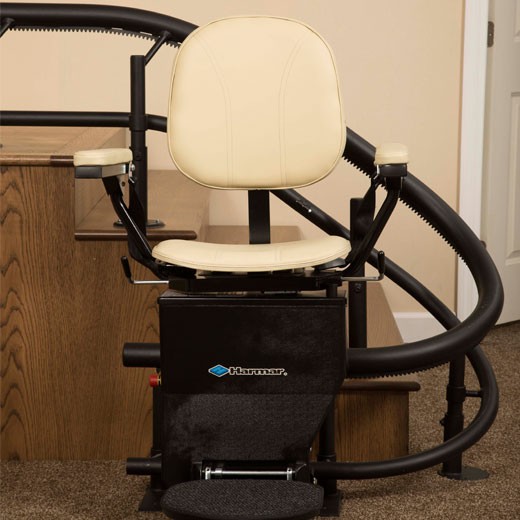
Curved stair lifts are custom‑built to match staircases with turns, spirals, intermediate landings, or unusual shapes. Because every curved staircase is unique, the rail is engineered specifically for your home. This customization increases cost but provides a seamless, smooth ride that fits the exact geometry of the stairs. Curved lifts are ideal for multi‑level homes or architectural layouts that cannot accommodate a straight rail.
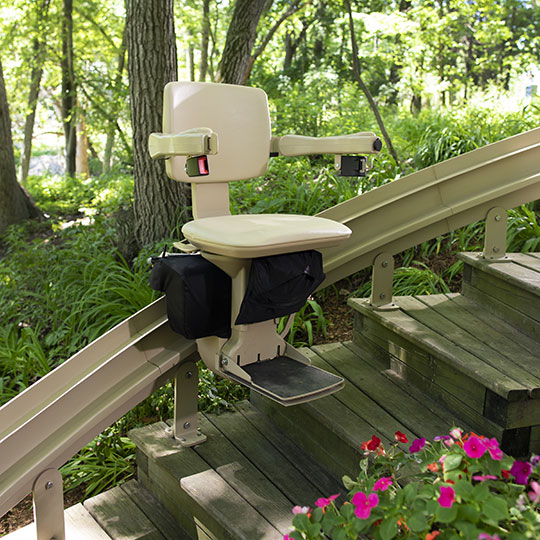
The first major distinction is between indoor and outdoor stair lifts. Indoor lifts are designed for climate‑controlled environments and focus on comfort, quiet operation, and aesthetics. Outdoor lifts, by contrast, must withstand rain, sun, wind, and temperature extremes. They use weather‑sealed components, marine‑grade upholstery, and corrosion‑resistant rails. Choosing the correct category ensures the lift will last for decades without premature wear.
Buying a stair lift begins with understanding the core purpose: restoring safe, independent access to every level of the home. A stair lift is not simply a convenience device; it is a mobility solution designed to eliminate the risk of falls on stairs, which are one of the most dangerous areas in any house. Before comparing models, it helps to clearly define the user’s physical needs, the staircase layout, and the long‑term expectations for comfort, reliability, and service.
Comfort features
Comfort features vary widely between brands. Look for adjustable seat height, swivel seats for safe entry and exit, folding footrests, and padded armrests. Some premium models include power‑folding rails, power‑swivel seats, and ergonomic controls that are easier for users with arthritis or limited hand strength. Comfort is not a luxury—it directly affects safety and usability.
Drive systems
The drive system determines how smoothly and quietly the lift operates. Rack-and-pinion drives are common, reliable, and easy to maintain. Some high‑end models use helical or friction drives for an even smoother ride. Battery-powered lifts are now standard because they provide uninterrupted operation and reduce dependence on household wiring.
Understanding The Major Components Of A Stair Lift
Straight stair lifts are the simplest and most affordable option. They fit staircases that run in a single, uninterrupted line with no turns, landings, or curves. Straight lifts are mass‑produced, which keeps costs lower and installation faster. If your staircase is straight, this is almost always the most economical and practical choice.
Testing The Stair Lift Before Completion
Outdoor stair lifts are available in both straight and curved configurations. When evaluating outdoor models, pay close attention to weatherproofing. Look for sealed drive units, UV‑resistant seats, and covers that protect the lift when not in use. Outdoor lifts should also include drainage channels and rust‑proof hardware to ensure long-term durability in coastal or high-moisture environments.
Safety features should be non‑negotiable. A good stair lift includes seat belts, obstruction sensors, overspeed governors, and battery backup systems that allow the lift to operate during a power outage. The rail should be designed to minimize tripping hazards, and the chair should lock securely in place when not in motion. These features protect both the user and others in the home.
Weight capacity is a critical factor. Standard stair lifts typically support up to 300 pounds, while heavy‑duty models can handle 350 to 600 pounds. Always choose a lift with a capacity that exceeds the user’s current weight to allow for future changes and to reduce strain on the motor. A higher‑capacity lift often includes a wider seat, reinforced frame, and upgraded drive system.
Long Beach ChairLifts: Connecting Safety Features And Control Systems
Installation quality is just as important as the lift itself. A professional installer will measure the staircase precisely, secure the rail to the steps, not the wall, and test the lift thoroughly. Poor installation can lead to noise, vibration, or premature wear. Always choose a company with certified technicians and a strong reputation for after-sale support.
Service and warranty
Service and warranty coverage should heavily influence your decision. A stair lift is a long-term investment, and like any mechanical device, it requires periodic maintenance. Look for warranties that cover the motor, gearbox, and rail for several years. Local service availability is essential; a company that can respond quickly ensures minimal downtime if repairs are needed.
Used and reconditioned stair lifts
Used and reconditioned stair lifts can offer exceptional value, especially for straight staircases. A high-quality used lift can cost half the price of a new one while still providing years of reliable service. Reputable dealers inspect, refurbish, and test used units thoroughly. Curved lifts are harder to buy used because each rail is custom-built, but refurbished chairs and drive units may still reduce costs.
Test before you buy
Before making a final decision, always test the lift in person if possible. Sitting in the chair, operating the controls, and experiencing the ride quality firsthand can reveal differences that brochures and videos cannot. A showroom visit also allows you to compare multiple brands side by side and ask detailed questions about performance and maintenance.
Ultimately, the best stair lift is the one that fits the user’s needs, the home’s architecture, and the family’s budget while providing long‑term safety and independence. Whether you choose an indoor, outdoor, straight, or curved model, focus on reliability, comfort, and service. A well‑chosen stair lift can transform daily life, restore confidence, and make every level of the home accessible again.
Budgeting for a stair lift involves more than the sticker price. Consider installation, optional features, extended warranties, and potential electrical upgrades. Straight indoor lifts are the most affordable, curved lifts are the most expensive, and outdoor lifts fall somewhere in between. A reputable dealer will provide a clear, itemized quote with no hidden fees.
Several important factors influence the total cost of a stairlift installation. The type of stairlift plays a major role, with straight stairlifts typically costing less than curved systems. Customization options such as upgraded seating, power swivel seats, powered folding footrests, extended rails, hinged rails, upholstery upgrades, and advanced safety features may also affect final pricing. Staircase dimensions, electrical requirements, and installation conditions can further impact cost depending on the home environment.
For homeowners looking to balance value and affordability, reconditioned or gently used stairlifts may sometimes be an option for certain applications, while stairlift rentals can make sense for short term medical recovery or temporary needs. However, for long term use, purchasing a stairlift is often the more practical and economical investment over time.
When comparing stairlift prices, it is important to focus on long term safety, comfort, reliability, and overall value rather than price alone. A properly selected and professionally installed stairlift can dramatically improve independence, reduce the risk of falls, and provide years of dependable daily use.
In general, straight stairlifts are more affordable because they use standardized rail systems that fit straight staircases with fewer installation complexities. Curved stairlifts typically cost more because they require custom built rails, advanced measurements, specialized engineering, and staircase specific programming to precisely match turns, landings, and curves in the home.
Talk to a local Stair Lift Contractor
When shopping for a straight stairlift, researching online is a great first step, but speaking with a knowledgeable local Stair Lift Contractor is often the smartest decision. Every home, staircase, and mobility need is different, which is why professional guidance can make a major difference in selecting the right stair lift for comfort, safety, and long term reliability. A professional stairlift installer can evaluate your staircase layout, discuss your mobility goals, explain available features, and recommend the best stairlift solution based on your specific needs and budget.